Charity Bike Rides: How to Find and Prepare
Combine your passion for cycling with purpose. We'll show you where to find charity rides, what distances you'll encounter, and how to train so you can cross the finish line feeling strong.
Why Charity Rides Matter
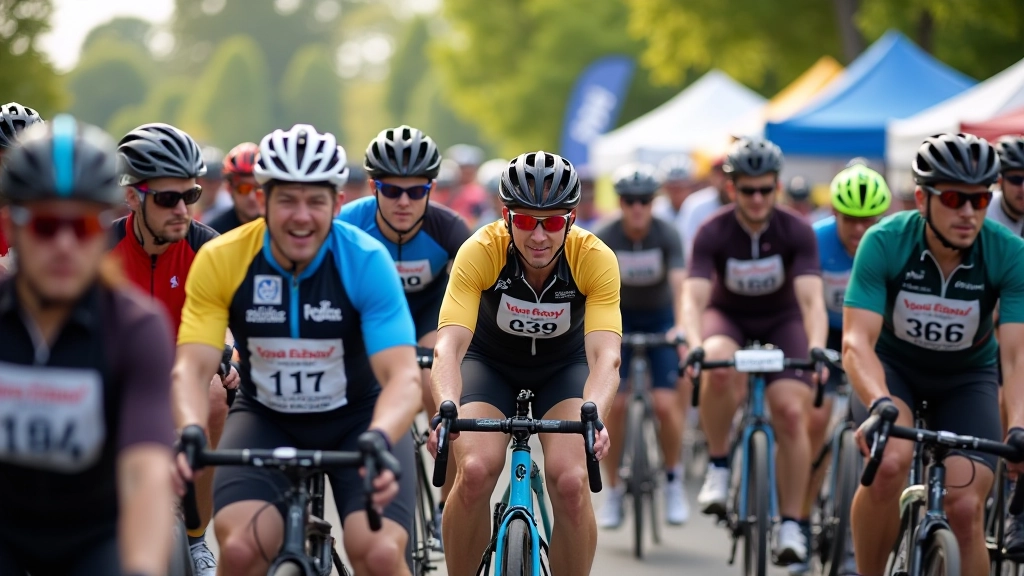
Charity bike rides aren't just about the cycling—they're about community and purpose. You're riding alongside hundreds of people who care about the same cause, whether that's funding local youth programs, supporting medical research, or building trails in your area. The energy at these events is different. Everyone's there for something bigger than themselves.
For riders in their 40s, 50s, and 60s, charity events offer a perfect blend of challenge and camaraderie. You'll find pace groups tailored to different fitness levels, so you're not racing—you're riding at a speed that works for you. Most importantly, you'll finish knowing your effort actually helped someone.
Where to Find Charity Rides Near You
The hardest part isn't training—it's knowing where to look. Here's how to discover upcoming charity rides in your area.
Local Cycling Club Websites
Most cycling clubs maintain a calendar of upcoming events, including charity rides. They'll list distances, elevation, and registration details. Plus, you'll meet people training for the same ride.
Nonprofit Organization Sites
Search for causes you care about—they usually have dedicated event pages showing ride dates, fundraising requirements (often optional), and training resources. Check their FAQs for age-group information.
Regional Ride Databases
Sites like Active.com and local tourism boards list charity cycling events by state and month. Filter by distance and difficulty to match your current fitness level.
Word of Mouth
Your cycling buddies know. Ask around at your local bike shop or during group rides. You'll get honest reviews about route difficulty, support stops, and what to expect.
Understanding Charity Ride Distances
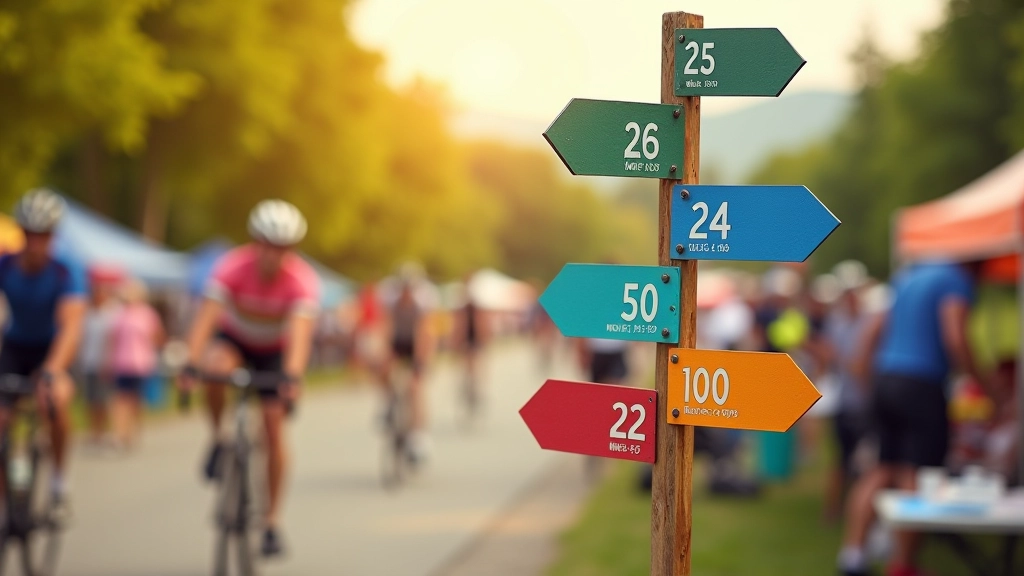
Charity rides typically offer multiple distance options, and that's the beauty of them. You're not forced into one route. Most events offer 25-mile, 50-mile, and 100-mile routes, with some adding shorter "family fun" rides around 10 miles.
The 25-50 mile range works well for most adult riders who've been cycling for a few months. These distances are achievable without needing elite fitness. You'll spend 2-3 hours on the bike, which is long enough to feel accomplished but short enough that recovery's quick.
"Wasn't sure I could do 50 miles when I signed up. Turned out the support stops, the other riders, and knowing what the money was for made it feel way easier than my training rides."
— Derek, 54
Here's the key difference from solo training rides: charity events have rest stops every 10-15 miles with water, snacks, and sometimes meals. You're not carrying everything yourself. You'll roll up, grab some food, chat with volunteers, and keep moving.
Building Your Training Plan
You don't need to be a serious cyclist to finish a charity ride. But you do need a plan. Most riders start training 8-10 weeks before their target event.
Assess Your Current Fitness
Can you comfortably ride 15 miles right now? Start there. If you're doing 10 miles without too much fatigue, you're in decent shape to begin training. Don't compare yourself to anyone else—your baseline is what matters.
Build Your Base Mileage
Weeks 1-4: Ride 3 times per week, increasing your distance by 2-3 miles each week. One ride should be slightly longer (your "long ride"), one moderate, one short. Your long ride by week 4 should be about 20 miles.
Increase Your Long Ride
Weeks 5-7: Keep the same frequency but grow your long ride. Add 3-5 miles every week. By week 7, you should be doing at least 35-40 miles on your long ride if you're targeting 50 miles at the event.
Taper and Rest
Week 8: Reduce mileage by 30-40% to let your body recover. Do shorter, easier rides. You're not building fitness now—you're arriving fresh and ready.
The Week Before Your Ride
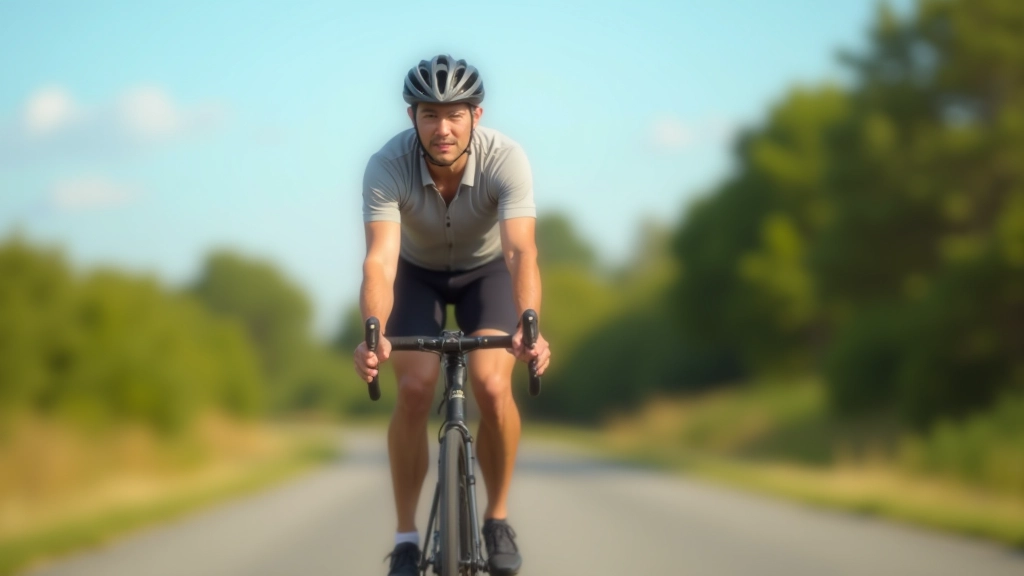
You've trained for weeks. Now comes the part where most people mess up—they panic and overdo things or they get lazy.
Get your bike serviced 2-3 days before the ride. Check tire pressure (day before), lube your chain, and make sure brakes work smoothly. Nothing worse than mechanical issues during a ride.
Eat normally all week. Don't suddenly switch diets. Two days before, eat more carbs than usual—pasta, rice, bread. Not excessively, just a bit more. This is "carb loading" and it works.
Start hydrating the day before. Drink steadily, not all at once. Your urine should be pale yellow, not dark. Day-of, drink 16-20 oz of water 2 hours before you start.
Lay everything out the night before: helmet, gloves, cycling jersey, shorts with chamois cream applied, water bottles, sunscreen, ID. Bring cash for post-ride celebration.

Ride Day: What Actually Happens
Arrival & Registration
Get there early—30-45 minutes before the official start. You'll pick up your race bib, get your number written on your arm (in case), and scope out the starting area. The volunteers are amazing. Ask them questions. They've done this before.
The Start
Most charity rides don't have a true "mass start." Instead, you'll roll out in groups based on your pace or distance. Find the group that matches your speed (usually marked as "Casual," "Moderate," or "Fast"). Stick with them. There's safety and motivation in numbers.
Rest Stops
Every 10-15 miles you'll hit a rest stop. Grab water, eat something (usually bananas, granola bars, or sandwiches), use the bathroom, and chat. Don't rush. You've got time. These stops break up the ride mentally and physically.
The Finish
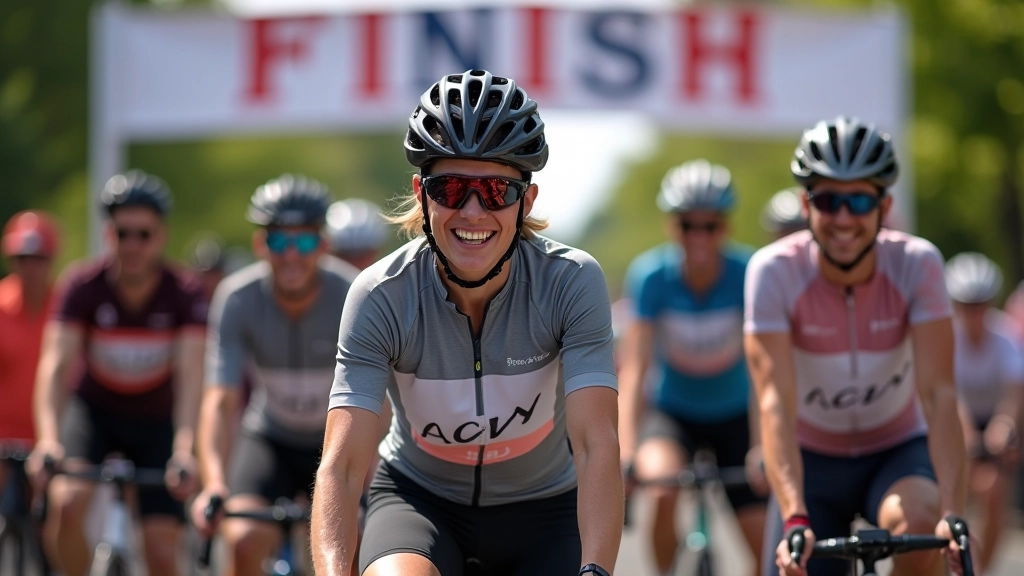
You'll see volunteers cheering as you approach the finish. There's almost always food, music, and celebration. You did it. Take your photo at the finish line. Grab a medal or commemorative t-shirt. Stick around, celebrate with other riders, and enjoy what you've accomplished.
Ready to Ride for a Reason
Charity rides are one of the most rewarding cycling experiences you can have. You'll push yourself, meet new people, support a cause you care about, and finish feeling genuinely proud. The training teaches discipline. The ride teaches resilience. And the finish? That teaches you what you're capable of.
Start your search this week. Pick an event 8-10 weeks away. Tell someone you're doing it. Get your bike serviced. Then trust your training and show up ready.
Your legs will be tired. Your heart will be full.
Ready to Find Your Event?
Check your local cycling club website or search Active.com for upcoming charity rides in your area. Most events are scheduled for spring and fall—perfect riding seasons.
Explore More Cycling ResourcesDisclaimer
This guide is educational and informational. Before starting any training program, especially if you're new to cycling or have existing health concerns, consult with your doctor. Charity ride organizers will provide specific training recommendations for their events—follow their guidance. Every rider's fitness level and capabilities differ. This article offers general suggestions based on common practice, but individual results vary.