Gravel Riding 101: Bikes, Routes, and Technique
Everything you need to know about gravel bikes, finding local trails, and riding unpaved surfaces safely
What Makes Gravel Riding Different?
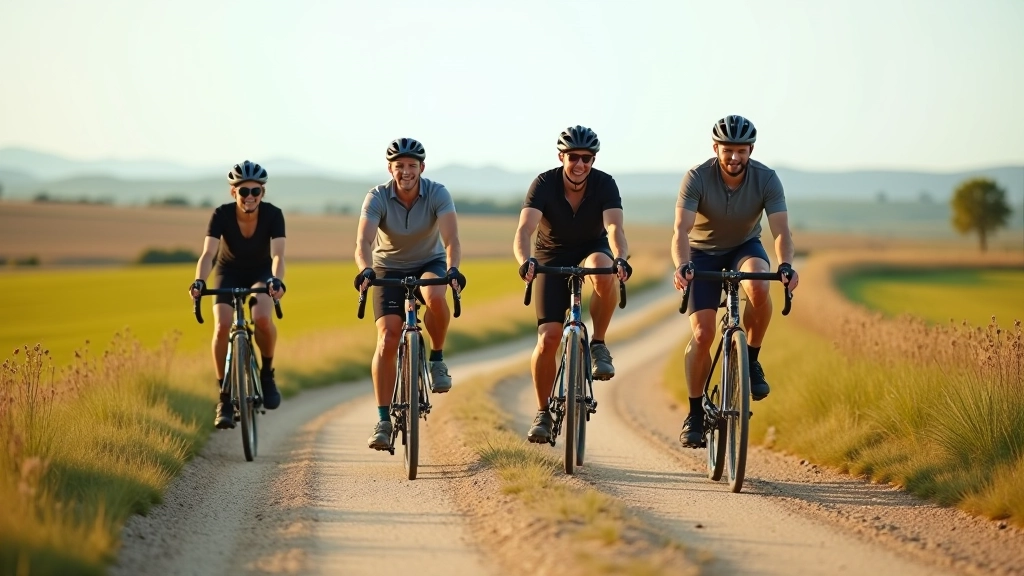
Gravel riding isn't just road cycling on dirt. It's become its own thing entirely. You'll see riders from all backgrounds joining in — people coming from mountain biking, road cycling, and folks who've never raced anything competitively. The appeal is pretty straightforward: adventure without the serious commitment.
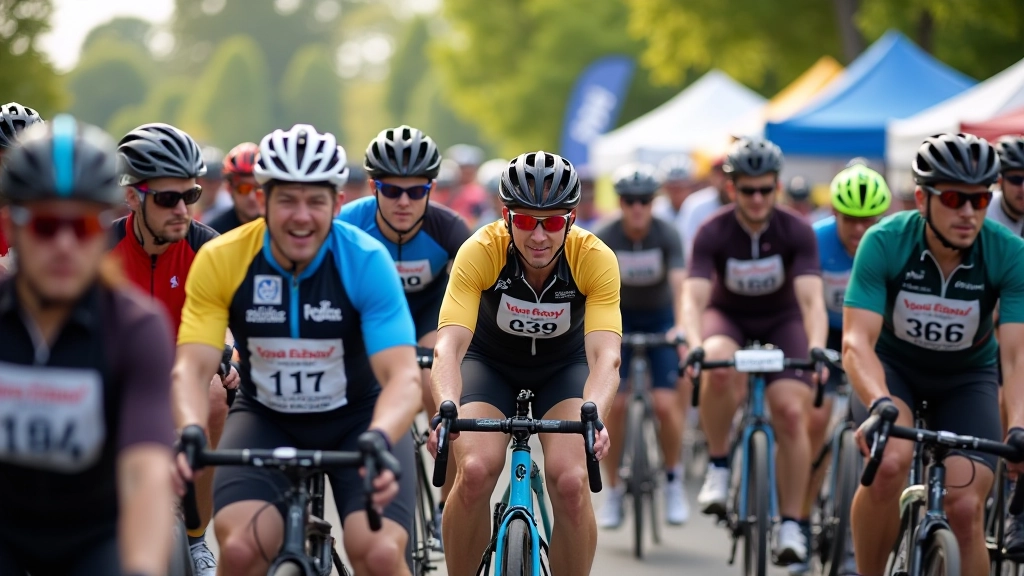
Unlike road cycling, there's no pressure to keep up with specific pace groups or prove anything to anyone. Unlike mountain biking, you're not battling technical terrain for three hours. Gravel sits in the middle. It's accessible, it's fun, and it's growing fast. In fact, many cycling clubs in the US now run gravel events alongside their traditional road rides. The community aspect is real — you'll meet people of all fitness levels sharing the same trails.
Choosing Your Gravel Bike
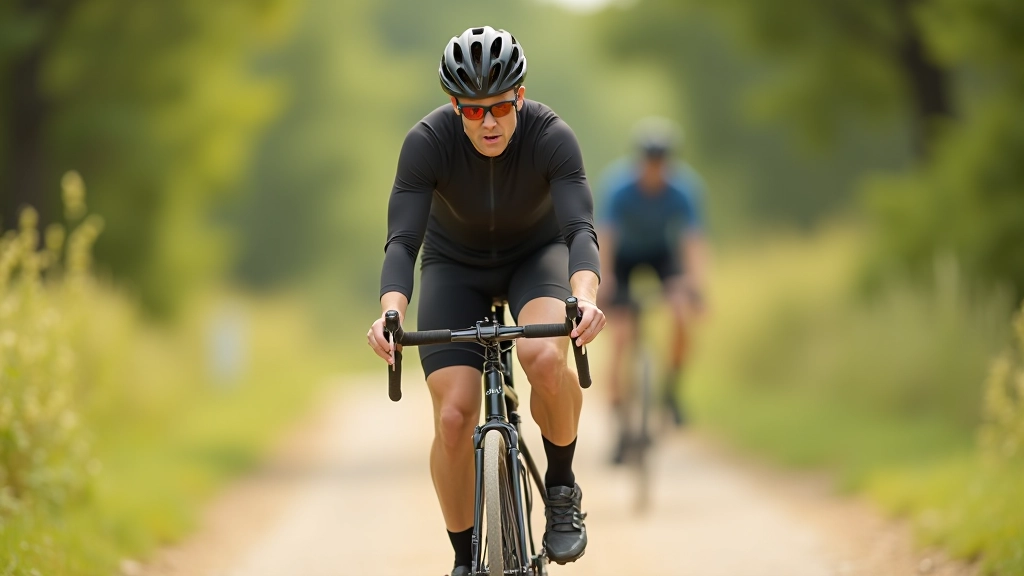
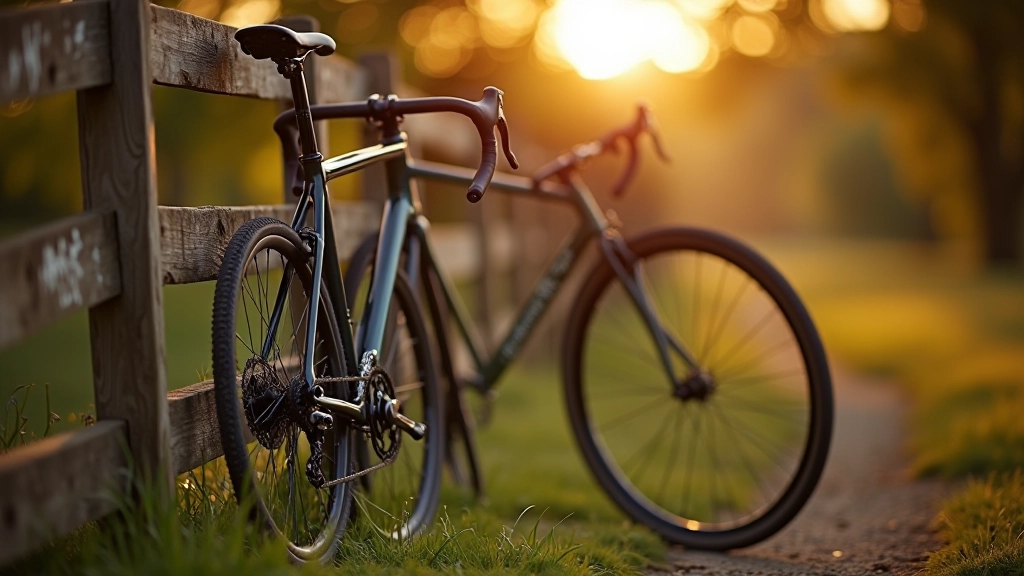
Your bike makes a real difference. Gravel bikes aren't road bikes with knobby tires. They're purpose-built. The geometry is more relaxed than road bikes — longer wheelbase, slacker head tube angle — which means more stability when things get rough. You're not hunched over trying to squeeze out watts. Instead, you're in a position that lets you move around the bike and absorb impacts.
Tire clearance is huge. Most gravel bikes take 40-50mm tires, some go wider. The frame materials vary: steel, aluminum, carbon, titanium. Steel's great if you like compliance and don't mind the weight. Carbon is lighter and snappier. Aluminum offers a solid middle ground. Don't get hung up on brand names or price tags. What matters is finding a bike that fits your body and budget. Many people start with a used bike, ride for a season, then upgrade once they know what they actually want.
Finding Gravel Routes Near You
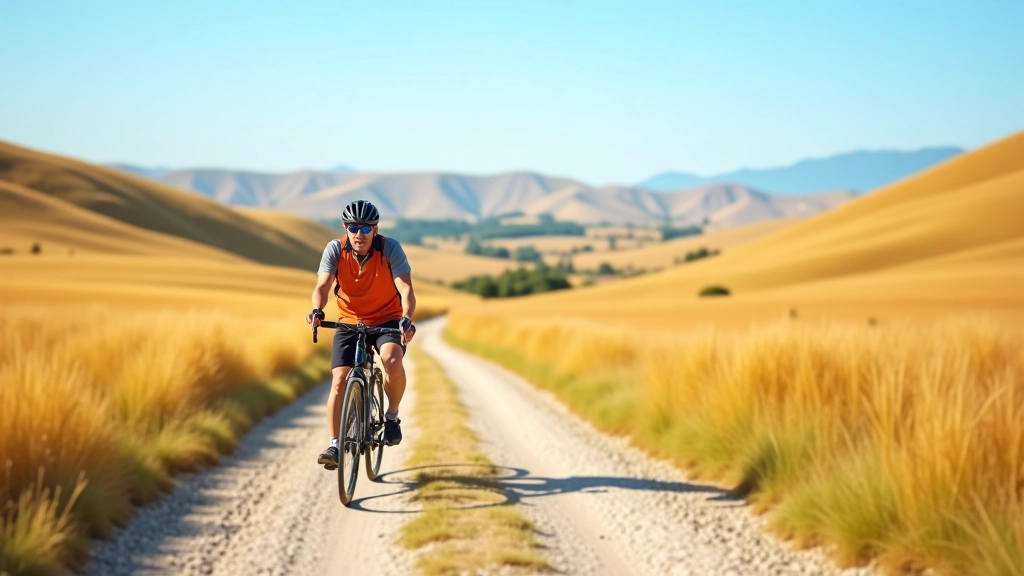
Finding routes used to mean asking around. Now you've got tools. Komoot, AllTrails, and Ride with GPS all have gravel-specific filtering. Type in your area and you'll see what's out there. Start with established routes others have ridden — they've already worked out where the pavement ends and the good stuff begins.
Local cycling clubs are your best resource though. They know which roads got paved over, which gravel stays rideable year-round, and which turns lead to dead ends. Many clubs organize weekly gravel rides now. Showing up to one ride gives you access to years of local knowledge. Plus, you're not navigating alone on your first time out. Most gravel rides in the US range from 30-70 miles, with rest stops and food breaks built in. That's completely different from the hammering pace groups you might find on road rides.
Riding Technique on Unpaved Surfaces
Gravel riding's not complicated, but there are things that work better than others. You're not pedaling through chaos. You're adapting your approach based on what's under your wheels.
Line Selection
Pick your line ahead. Scan the trail 10-15 feet in front of you and commit to your path. Constant steering creates instability. Smooth inputs, gentle pressure — don't jab at the bars. The best line isn't always the smoothest looking one. Sometimes riding through the rough bit is faster than going around it.
Tire Pressure Matters
Lower pressure = better grip and compliance. Most gravel riders run 35-45 psi depending on conditions. Loose gravel? Go lower. Packed dirt? You can run higher. Experiment in your first few rides. You'll feel the difference immediately when pressure's wrong.
Body Position
Stand on rough sections, sit on smooth ones. When you're standing, weight your outside pedal. Keep your elbows bent and relaxed. Don't lock up when things get rough. Your body's the suspension here. Let it absorb the impacts instead of fighting them.
Braking Smart
Brake less, not harder. Feather your brakes on loose surfaces instead of grabbing them. If the rear wheel locks up, you've lost control. Brake before the rough section, not during it. Your speed management starts way ahead of where you need to slow down.
Gear You Actually Need
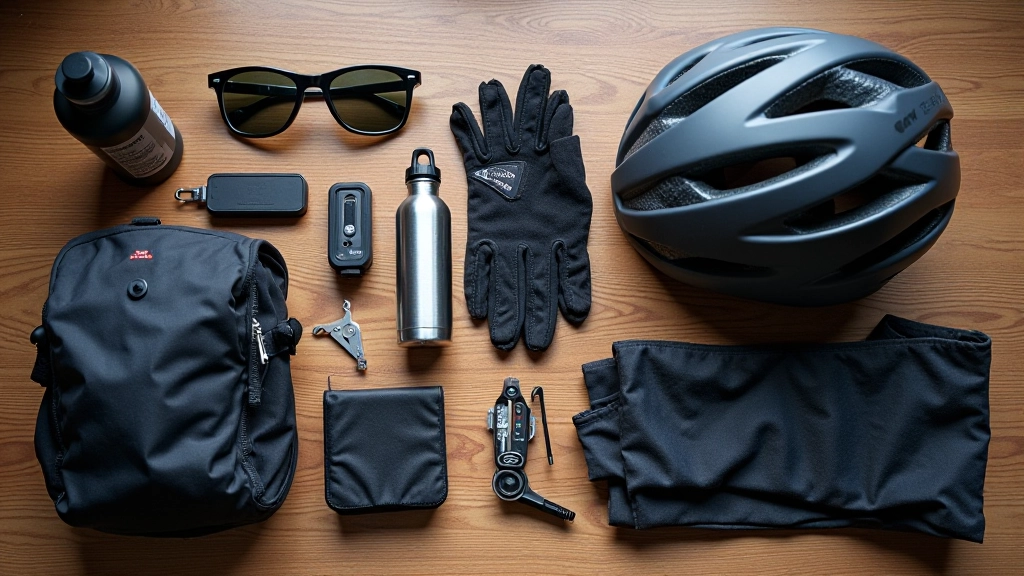
Don't overthink this. You need less than you think. A good helmet is non-negotiable. Padded shorts matter more on gravel than road because you're not riding smooth pavement. Gloves help when you inevitably touch the ground. Sunglasses protect your eyes from dust and debris. That's the baseline.
A basic repair kit: spare tube, patch kit, multi-tool, and a pump. Gravel flats happen. You'll want to fix them yourself rather than calling for help in the middle of nowhere. A small backpack or frame bag carries your stuff without bouncing around. Hydration's important — longer rides mean longer time in the sun. One or two water bottles depending on the route distance. Most gravel riders aren't carrying complex nutrition on 40-mile rides, but bringing some snacks doesn't hurt. Energy bars, granola, whatever doesn't melt in your jersey pocket.
Getting Started This Season
Your first gravel ride doesn't need to be perfect. Here's what actually matters:
01
Find a Local Ride
Check your local cycling club's calendar or search Facebook groups for "gravel rides [your area]". Most clubs post weekly routes with distance options. Pick one that matches your fitness level, not one that impresses people.
02
Get Your Bike Ready
Tire pressure set? Brakes working? Chain lubed? You don't need new components. You need working ones. A basic tune-up at your local shop costs less than you'd spend on coffee for a month and saves you from mechanical issues mid-ride.
03
Show Up and Ride
You'll be nervous. That's normal. Everyone there was nervous once. You don't need to be the fastest or the fittest. You just need to be there. Gravel communities are genuinely welcoming because everyone's there for the same reason — to ride and enjoy it.
Ready to Explore Gravel Riding?
Your first ride is out there waiting. Start with routes near home, build your skills gradually, and join a community that shares your interest in exploring beyond paved roads.
Browse Cycling Clubs & GroupsDisclaimer
This article is for informational and educational purposes. Gravel riding involves physical exertion and terrain hazards. Always wear appropriate safety equipment, start with routes matching your fitness level, and consult with a healthcare provider before beginning any new physical activity. Individual circumstances vary, and what works for one rider may not work for another. Follow all traffic laws and be respectful of private property when riding. The techniques and recommendations here are general guidance — professional coaching from certified instructors can provide personalized instruction tailored to your specific needs.
Explore More Cycling Guides