Indoor Spinning Classes: Community and Fitness Combined
Discover why spinning classes aren't just workouts—they're communities where adults over 40 find motivation, friendship, and genuine fitness results.
What Makes Spinning Different
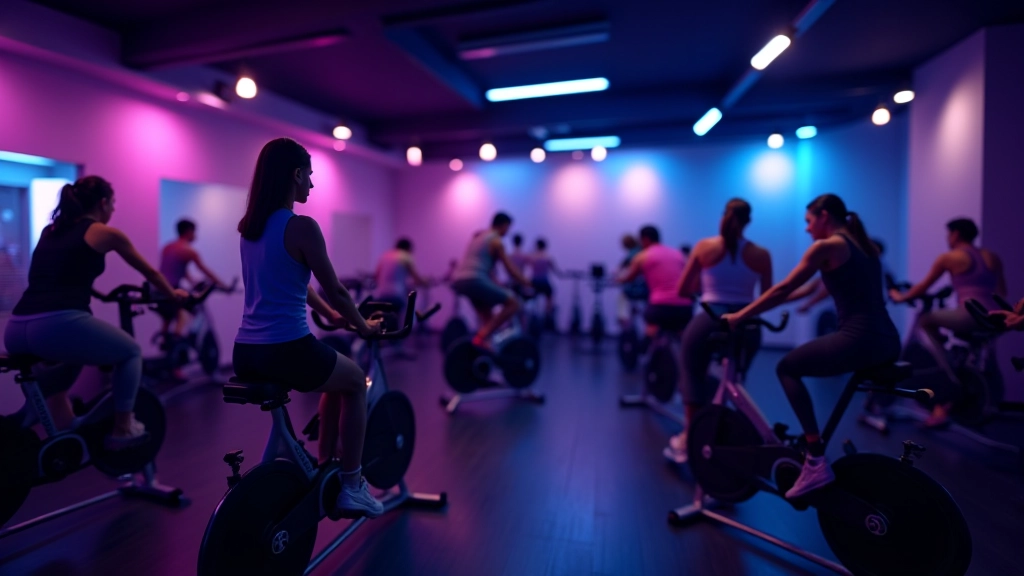
Walking into a spinning studio for the first time can feel intimidating. You'll see rows of stationary bikes, hear energetic music, and notice people already pedaling hard. But here's the thing—everyone in that room was a beginner once. Spinning classes aren't about being the fastest or strongest. They're about showing up, finding your own rhythm, and discovering you're stronger than you thought.
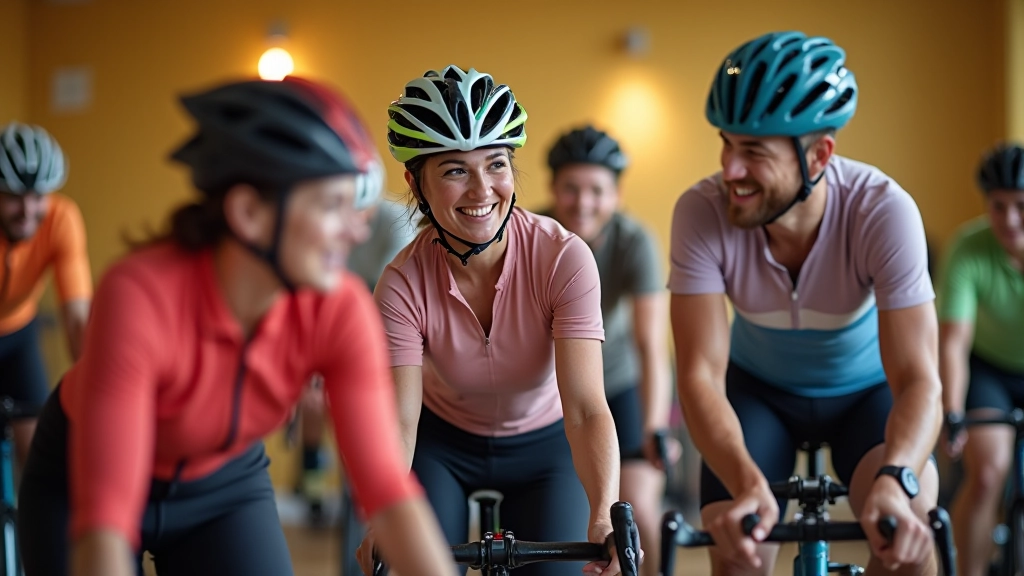
Unlike solo gym workouts, spinning creates something special. You're in a room with 20 or 30 other people, all working toward their own goals, but together. The instructor sets the pace, the music drives the energy, and somehow you end up pushing harder than you would alone. That's the real power of group fitness.
Why Adults Over 40 Love Spinning
The fitness benefits are real. The community is even better.
Low Impact, High Results
Spinning's seated position protects your knees and lower back while building serious cardiovascular strength. You'll improve heart health without pounding pavement.
Real Community
You'll see the same faces regularly. Friendships form. People exchange numbers. Classes become social events you actually look forward to.
You Control the Intensity
The resistance dial is yours to control. Push hard or take it easy. The instructor guides everyone, but your effort is exactly what you decide it'll be.
Consistent Schedule
Classes run on set times. You know when you're going. That structure helps you stick with it, which is how real results happen.
Your First Class: What to Expect
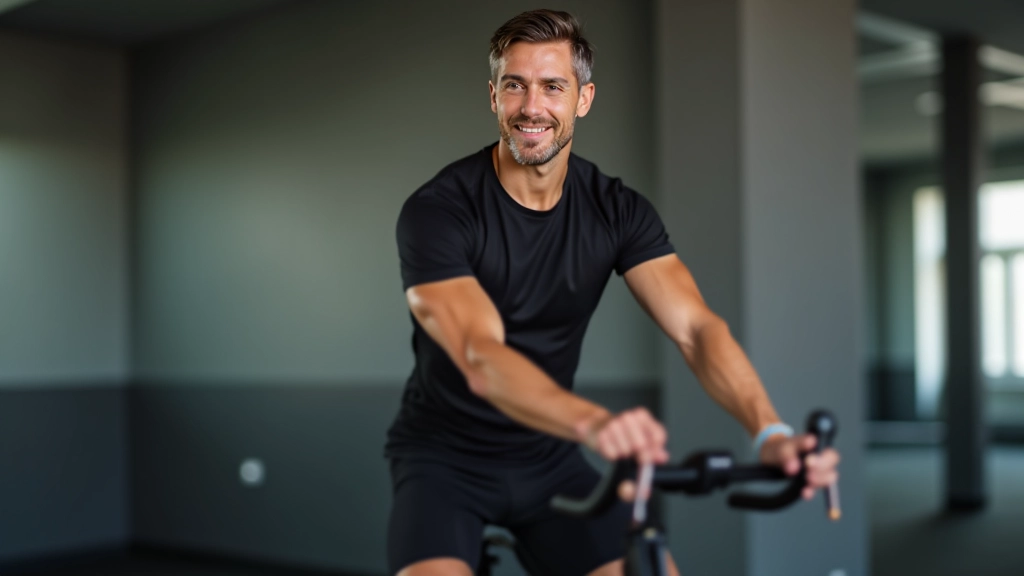
Arrive 15 minutes early. You'll fill out a waiver and get fitted to a bike. Don't panic about the fitting—staff are used to helping beginners. They'll adjust your seat height, handlebar position, and make sure you're comfortable. It takes five minutes.
The class starts with a warm-up. Easy pedaling, no resistance. You'll get used to the bike's feel. Then the instructor starts guiding the workout. They'll call out resistance levels (usually numbers 1 through 10), and you adjust the dial on your bike. Some instructors use metrics like "find a resistance where you can still talk," which helps beginners dial in the right level.
Music is a huge part of the experience. Most studios play high-energy tracks that match the workout intensity. It sounds cheesy until you're actually there—then it's motivating. The beat helps you stay on rhythm. A 45-minute class typically includes several intervals of harder efforts mixed with recovery periods, plus a cool-down at the end.
Don't worry about keeping up. Seriously. You'll see people around you working hard, but remember—everyone's bike is independent. You're not racing anyone. You're building your own fitness while getting the energy of a group experience.
Finding the Right Studio for You
Not all spinning studios are the same. Here's what to look for.
01
Check Class Times and Locations
Look for studios near your home or work. You're more likely to stick with classes you can actually get to easily. Most studios offer morning, lunch, and evening slots. Pick times that fit your schedule without stress.
02
Take a Trial Class
Most studios offer a free or low-cost first class. Use it to feel the vibe. Is the instructor encouraging or competitive? Are people chatting before class or silent? Do you feel welcomed or out of place? Your gut feeling matters.
03
Assess the Equipment and Facilities
Check if bikes feel well-maintained. Look at the sound system—can you hear the instructor clearly? Are bathrooms clean? Is there space for water bottles? Small details matter when you're spending 45-60 minutes somewhere.
04
Talk to Regular Members
Ask people before or after class. They'll give you honest feedback about the community, instructors, and overall experience. You'll quickly learn if that studio is the right fit for you.
Getting Ready: What to Bring and Wear
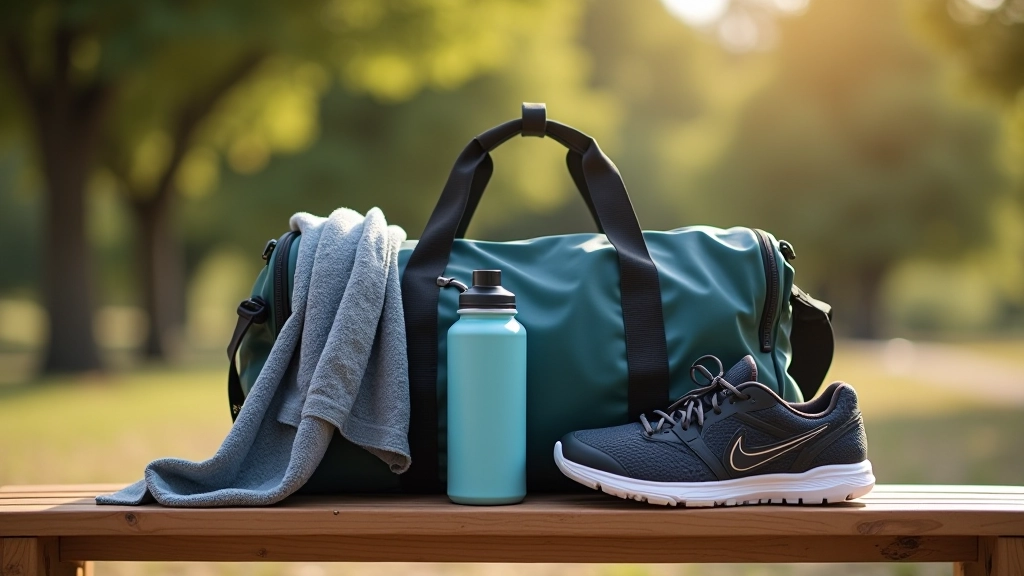
You don't need much. Wear breathable clothes—shorts and a t-shirt work fine. Avoid baggy clothes that might get caught in the bike. Bring water. A full water bottle is essential, and most studios have refill stations. Some people bring towels because you will sweat. That's normal and honestly a sign the workout is working.
Shoes matter more than you'd think. Cycling shoes with clips lock into special pedals, but most beginner-friendly studios have regular pedals that work with any sneakers. Don't stress about buying special shoes yet. Wear comfortable athletic shoes with good ankle support. Once you're hooked, you can invest in cycling shoes later.
Eat a light snack an hour before class. You don't want to spin on a full stomach, but you also don't want to bonk halfway through. A banana or granola bar works well. Hydrate throughout the day leading up to class—don't wait until right before.
The Real Power: Community
"I wasn't sure about it at first. Seemed intimidating, you know? But after three weeks, I realized I was going for the people as much as the workout. We text between classes now. One person had a health issue and the whole crew checked on her. It's become a real community."
— Patricia, 52
This happens in spinning studios everywhere. People show up for fitness and find friendship. You'll recognize the same riders week after week. There's an older gentleman who always sits in the back left corner. There's a woman who whoops when the instructor drops a heavy bass drop. There's a retired couple who's been coming for five years.
Studios often organize social events too. Post-class coffee runs. Weekend group rides outdoors. Charity rides where the spinning community participates together. You're not just joining a fitness class—you're joining a group of people who care about staying active and supporting each other.
Building Your Progress
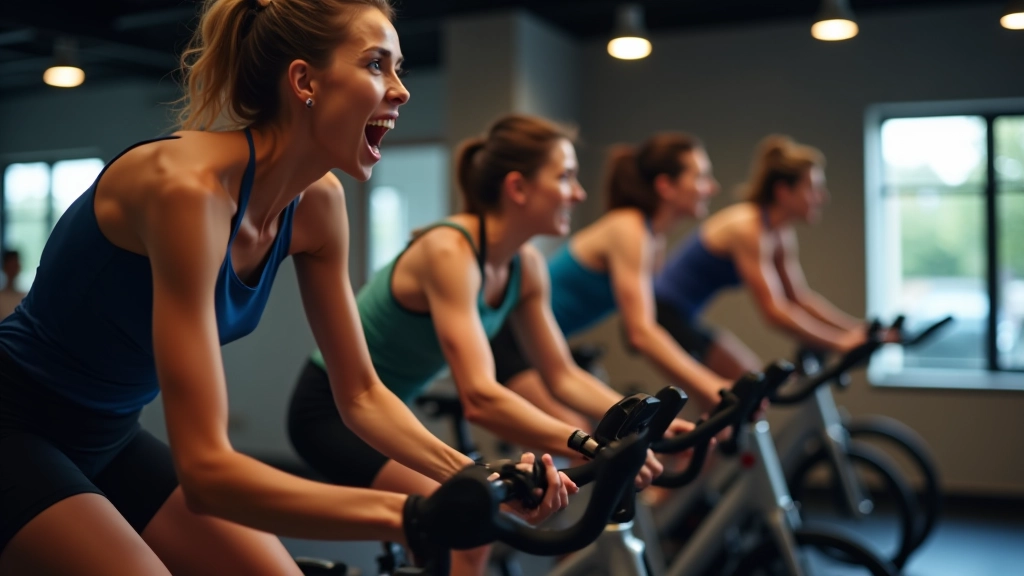
Your first month will feel hard. Your legs will be sore. Your cardio will feel challenged. That's actually good—it means you're working. By week three or four, you'll notice recovery happens faster. By month two, you'll realize you're not completely wiped out after class.
Many studios use metrics to track progress. Some bikes show resistance levels, power output, or RPM (revolutions per minute). You don't need to chase numbers. But if you like tracking progress, knowing your average power or resistance from month one compared to month three is genuinely motivating.
The real benchmark is how you feel. Can you hold a conversation during the moderate effort? Can you push hard during climbs without losing form? Are you sleeping better? Do you have more energy? These matter more than any number on the bike.
Don't skip classes during plateaus. Everyone hits a point where progress feels flat. That's when consistency matters most. Keep showing up. Your body adapts in ways you won't immediately notice. One day you'll realize you've gotten stronger.
Starting Your Spinning Journey
Spinning classes aren't just workouts. They're communities where fitness meets friendship. Adults over 40 are discovering that group cycling provides something solo training can't match—motivation from others, accountability that keeps you coming back, and genuine human connection.
Your first class will be uncomfortable. That's okay. Everyone felt that way. By your third or fourth class, you'll start recognizing faces. By your tenth, you'll know people's names. By month three, you'll wonder how you ever worked out alone.
Find a studio near you. Take that free trial class. Talk to the people there. Give it at least four sessions before deciding if it's right for you. Chances are, you'll find something you didn't expect—not just fitness, but a place where you belong.
Ready to Find Your Studio?
Search for spinning studios in your area. Look for beginner-friendly classes and read reviews. Your next fitness community might be waiting for you.
Explore More Cycling ResourcesDisclaimer
This article is informational and educational in nature. It's designed to help you understand what spinning classes involve and how to get started. Before beginning any new fitness program, especially if you have existing health conditions, joint issues, or haven't exercised regularly, consult with your healthcare provider or a certified fitness professional. They can assess your individual situation and provide personalized guidance. Spinning is generally low-impact, but proper form and bike setup are important to prevent injury. Studios provide initial guidance, but working with an instructor one-on-one during early sessions can help ensure you're set up correctly for your body.
Explore More Cycling Resources