
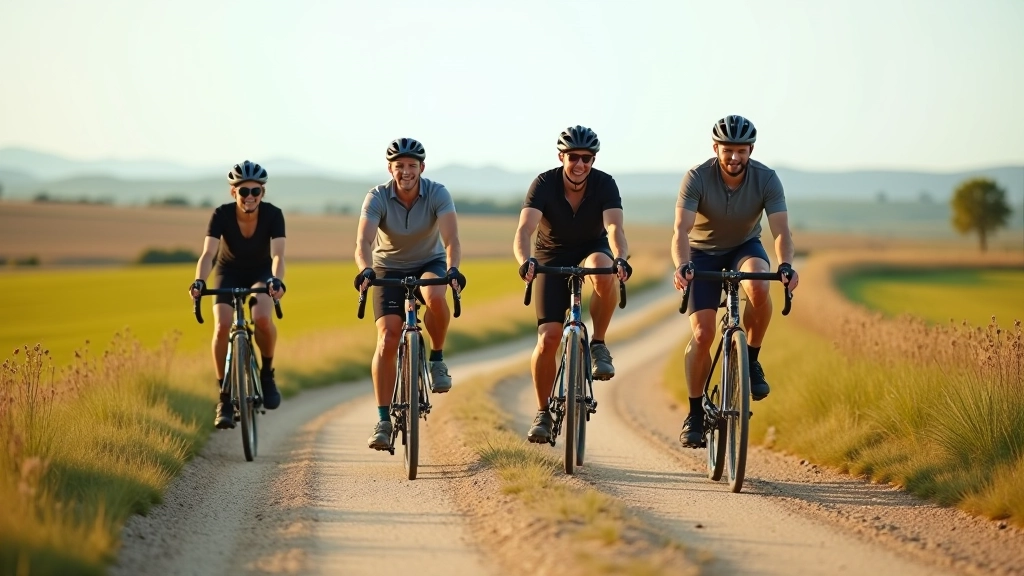
Starting Your First Group Ride: What to Expect
Everything a beginner needs to know about joining a cycling club, understanding pace groups, and preparing for your first weekend ride.
Thinking about joining a group ride but nervous about keeping up? You're not alone. Most people worry they'll be too slow, won't fit in, or won't know the unwritten rules. Here's the honest truth: group riding isn't as intimidating as it seems, and there's a place for you at almost every club.
Whether you're considering a casual weekend social ride, a structured cycling club, or indoor spinning with others, understanding what to expect makes all the difference. We'll walk you through pace groups, what gear you actually need, how to find rides in your area, and what happens on your first day so you can show up confident.
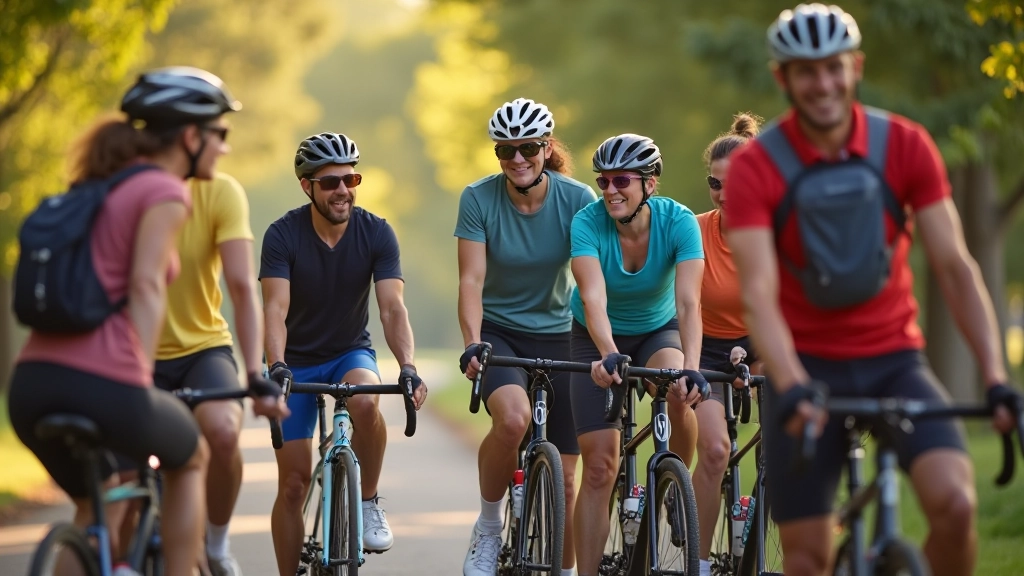
Understanding Pace Groups and Club Levels
Most cycling clubs organize rides by pace, not skill level. A 15 mph average pace ride moves differently than a 20 mph ride, and knowing where you fit matters. Don't worry though — clubs typically offer multiple groups on the same day, and you can always start with the slower pace and work your way up.
Casual/Social
10-14 mph average. Frequent stops for regroups. Perfect for beginners and anyone who wants to chat. Routes usually 15-25 miles.
Intermediate
15-18 mph average. Steady effort with occasional regroups. You'll want some base fitness. Routes typically 25-40 miles.
Advanced
19+ mph average. Minimal stopping, steady drafting. For experienced riders with consistent training. Routes 30-50+ miles.

How to Find Group Rides Near You
Finding rides is easier now than it's ever been. There's no single database of every club, but these resources will get you started in minutes.
01
Search Local Bike Shops
Independent and chain bike shops usually have flyers or bulletin boards listing local rides. Many shops sponsor their own club rides on weekends. A quick phone call often connects you with someone who can point you to established groups.
02
Check Meetup.com and Facebook Groups
Search "cycling" or "[your city] bike club" on Meetup or Facebook. Most active clubs post schedules, meeting locations, and pace information. You'll see comments from other riders and get a feel for the group culture.
03
Try Strava and Community Apps
Strava's clubs feature and local cycling apps show popular routes and groups in your area. You'll see how many people regularly ride specific routes and when they typically go out.
04
Ask Online and In-Person
Post in local subreddits or cycling forums. Experienced riders love helping newcomers find groups. Even at a casual coffee shop, you'll find people willing to tell you about the rides they do.
What Gear You Actually Need (Not the Fancy Stuff)
You don't need $10,000 in equipment to join a group ride. Most clubs have riders on every type of bike imaginable — road bikes, hybrids, gravel bikes, even mountain bikes. What matters is your bike is reasonably well-maintained and you're comfortable on it.
A Working Bike
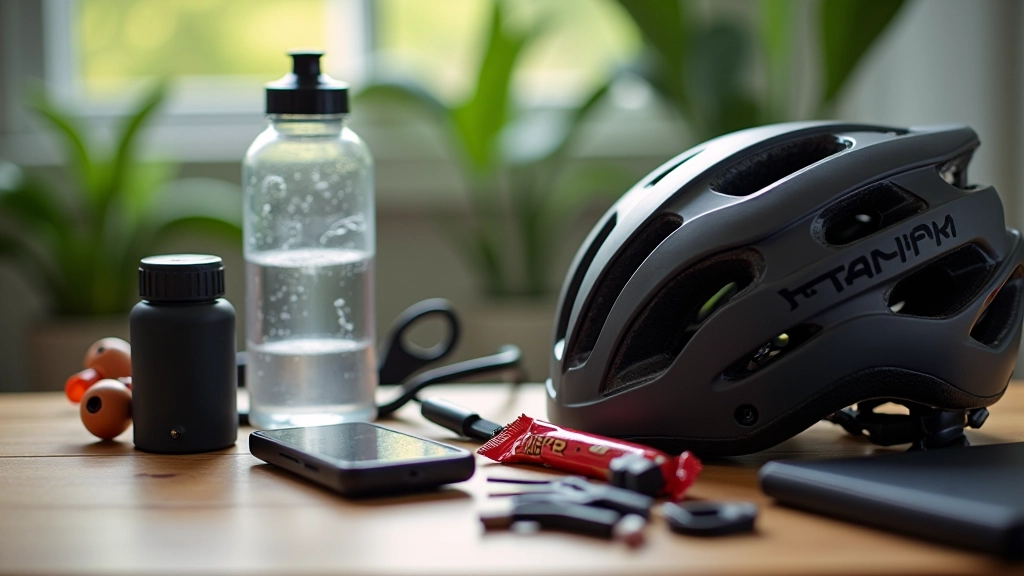
Road bike, gravel bike, hybrid, whatever you have. Get it serviced if it's been sitting in the garage for years. Check tire pressure, brake function, and derailleur adjustment.
Helmet
Non-negotiable. Most clubs require one, and you should want one anyway. Replace it every 5 years or after any impact.
Water and Snacks
Bring a water bottle (or two for longer rides) and some easily digestible fuel — energy bar, banana, or dates. You'll burn calories faster than you think.
Phone and ID
Keep ID and emergency contact info on you. A phone is useful for navigation, emergencies, or if you get separated from the group.
Basic Repair Kit
Tire levers, spare tube, mini pump, and a basic multi-tool. You won't necessarily need them, but the group will appreciate you being prepared.
Weather-Appropriate Clothing
Regular athletic clothes work fine. As you get more serious, padded shorts make a huge difference on longer rides. Don't overthink this at first.
Unwritten Rules (And Why They Exist)
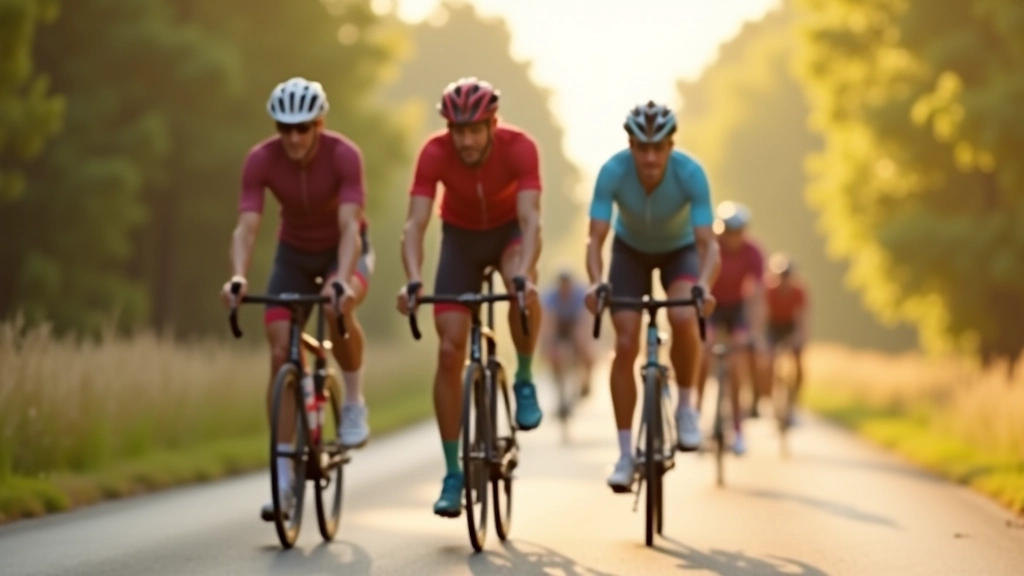
Group riding has customs that keep everyone safe and make the experience enjoyable. Don't stress — experienced riders are usually patient with newcomers. Most rules exist because someone learned them the hard way.
- Call out hazards. Potholes, gravel, or obstacles? Say "hole left" or "gravel" so riders behind know what's coming.
- Don't overlap wheels. Keep a bike length gap between your front wheel and the rider ahead. Overlapping causes crashes if someone brakes suddenly.
- Hold your line. Don't swerve suddenly. Predictable riding keeps the group safe. Signal turns with hand gestures or a brief verbal warning.
- Share the work at the front. When you're leading (at the front), you're exposed to wind. Rotate after a few minutes. If you're struggling, it's fine to sit in the middle.
- Be honest about your pace. If a group is too fast, say so and move to a slower group. It's better for everyone. Nobody wants you suffering silently.
- Arrive early on your first ride. Get there 10-15 minutes before the start. This gives you time to meet people, ask questions, and get comfortable.
What Happens on Your First Ride: A Timeline
Knowing the flow of a typical group ride takes away the mystery. Here's what to expect from arrival through the finish.
10-15 minutes before
Arrival and Setup
People are showing up, checking their bikes, and chatting. Introduce yourself to someone near you. Don't be shy — everyone remembers being new. Organizers will give a quick rundown of the route, pace, and any hazards to watch for.
Start
Rolling Out
The group will start at an easy pace to warm up. It's not a race. You'll feel the energy building as people settle into the rhythm. The first 5 minutes are the easiest — you're getting warmed up and finding your position in the group.
Middle section
Settling In
This is where the pace picks up slightly and people rotate through the front. If you're tired, move back in the group where there's more shelter from wind and less pressure. There's no shame in sitting in the middle — that's called "drafting" and it's a core skill in group riding.
Regroup
Recovery and Regrouping
Most clubs take a break halfway through. Everyone gathers, drinks water, eats a snack, and chats. This is where friendships form. Don't be surprised if people ask about your experience and offer advice — cyclists love helping others improve.
Final push
Finishing Strong
The second half usually feels easier because you're warmed up. Pace might increase a bit, but nothing crazy. You'll feel your legs working, but it's manageable. The last mile often feels like a victory lap.
Cool down
Afterward
The group slows to an easy spin as you approach the meeting point. Everyone stops, catches their breath, and talks about the ride. Some groups grab coffee or brunch together. You'll probably feel proud, tired, and hungry — in that order.
Building Your Fitness for Group Rides
If you're returning to cycling after time off, you don't need to be fit before your first group ride. Most clubs have beginner-friendly pace groups specifically for this reason. But a little preparation helps you enjoy the experience more and recover faster.
Try doing a few solo rides at your target pace before joining a group. A 10-15 mile ride at a comfortable pace, done twice in the week before your group debut, gives your body a chance to remember what cycling feels like. You'll have better form, more confidence, and less soreness afterward.
"I was nervous before my first group ride. Hadn't been on a bike seriously in 15 years. But the casual group was exactly what I needed — everyone was welcoming and nobody made me feel slow. Three months in, I'm doing the intermediate pace group now."
— David, 52
Take That First Ride
Joining a group ride is one of the best decisions you can make as a cyclist. You'll meet people who share your passion, discover new routes, and push yourself in ways you wouldn't alone. The nervous feeling before your first ride? That's normal. Everyone gets it. But it fades within the first mile.
Start with a casual, beginner-friendly pace. Be honest about your fitness level. Show up a few minutes early. Ask questions if you're unsure about something. And remember — every experienced rider in that group started exactly where you are right now. They remember what it felt like to be the new person, and they're rooting for you to come back next week.
Ready to Find Your First Ride?
Use the search strategies in this guide to locate clubs in your area. Don't overthink it — just pick one and show up.
Browse More Cycling ResourcesRelated Articles
Important Disclaimer
This article provides educational information about group cycling for recreational purposes. Individual circumstances vary widely — your fitness level, bike condition, local riding conditions, and personal health status all affect your experience. Before joining any group ride, ensure your bike is properly maintained, you're in reasonable health, and you understand the pace and distance involved. If you have health concerns or haven't cycled in many years, consider consulting a healthcare provider. Always wear a helmet, follow traffic laws, and ride within your ability. Group ride organizers are responsible for their own groups — verify their experience and safety practices before participating.